A roof coating does more than give your roof a fresh appearance. The right coating can help protect the roof from harsh sunlight, rain, moisture, temperature changes, and general wear. However, with so many options available, choosing the right material can be confusing.
So, which roof coating material offers the best long-term protection? For many flat and low-slope roofs, silicone roof coating is one of the best choices for long-term protection, especially where the roof is exposed to strong sunlight and occasional standing water. However, the best coating can still depend on the roof material, climate, drainage, and existing condition of the roof.
What Is Roof Coating?
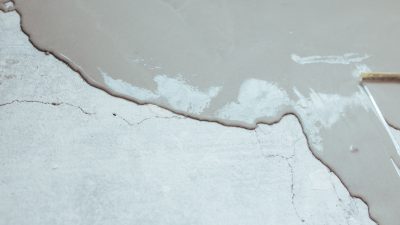
Roof coating is a protective layer applied over an existing roof surface. Once it cures, it creates a continuous membrane that helps protect the roof from water, sunlight, and environmental damage.
Roof coatings are available in different materials, including silicone, acrylic, polyurethane, and elastomeric coatings. Each material has its own strengths and limitations.
A good roof coating should provide reliable waterproofing, resist UV exposure, remain flexible during temperature changes, and adhere properly to the existing roof.
Why Silicone Roof Coating Is a Strong Long-Term Choice
Silicone roof coating is widely used when long-term water resistance is an important concern. One of its biggest advantages is its ability to handle standing water better than many other common roof coatings.
This makes it particularly useful for flat roofs where water may remain on the surface after heavy rain. Instead of quickly breaking down when exposed to moisture, a quality silicone coating can maintain its protective properties for many years when properly installed.
Silicone also has excellent resistance to ultraviolet radiation. This is important in hot and sunny climates because constant exposure to sunlight can cause some roofing materials to become brittle, faded, or damaged over time.
Another benefit is flexibility. Roof surfaces naturally expand and contract as temperatures change. A flexible coating can move with the roof instead of cracking easily.
How Does Silicone Compare With Other Roof Coatings?
While silicone is an excellent option, it is not the only material worth considering. Understanding the differences can help you make a better decision.
-
Acrylic Roof Coating
Acrylic coating is a popular choice because it is generally affordable and easy to apply. It also provides good resistance to sunlight and can help improve the reflective properties of a roof.
However, acrylic coatings are not usually the first choice for areas with frequent or prolonged standing water. If your roof has drainage problems, silicone may provide better long-term performance.
-
Polyurethane Roof Coating
Polyurethane coatings are known for their strength and resistance to impact and wear. They can be useful on roofs that experience heavy foot traffic or mechanical stress.
There are different types of polyurethane coatings, and their performance depends heavily on the product and application system. Some polyurethane coatings can also be more sensitive to moisture during application, so proper installation is important.
-
Elastomeric Roof Coating
Elastomeric coatings are designed to remain flexible after application. They can expand and contract with the roof as temperatures change, helping reduce the risk of cracking.
Many elastomeric roof coatings are acrylic-based, so their performance against standing water depends on the specific product. They can be a practical option for roofs that have good drainage and need protection against weather exposure.
What Makes a Roof Coating Last Longer?
Choosing a high-quality coating is only one part of getting long-term protection. Even the best material can fail if it is applied to an unsuitable or poorly prepared surface.
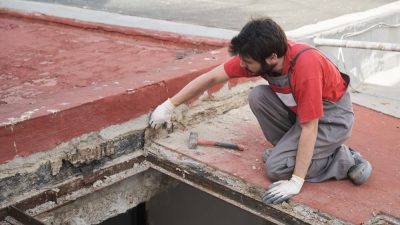
Before coating, the roof should be inspected for cracks, leaks, loose materials, damaged areas, and drainage problems. Existing leaks should be repaired rather than simply covered with coating.
The roof surface should also be cleaned properly. Dirt, dust, grease, algae, and loose material can prevent the coating from bonding correctly.
Professional application is especially important around roof edges, joints, drains, pipes, and other areas where water can enter. The coating should also be applied at the manufacturer’s recommended thickness. Applying too little material may reduce its expected service life.
Does Roof Coating Help With Heat?
Yes. Some roof coatings are designed to reflect a significant amount of sunlight. This can reduce the amount of solar heat absorbed by the roof surface.
This can be particularly useful in hot climates where roofs are exposed to intense sunlight for long periods. A reflective coating may help keep the roof surface cooler and can potentially reduce the amount of heat transferred into the building.
However, roof coating should not be considered a replacement for proper insulation. If indoor temperatures are a major concern, insulation, ventilation, and other building improvements should also be considered.
What About Waterproofing?
Waterproofing is one of the main reasons property owners choose roof coatings. A properly installed coating can create a continuous protective layer over the roof and reduce the chances of water penetrating small surface cracks and imperfections.
However, coating alone cannot solve every waterproofing problem. Large cracks, structural movement, damaged roofing materials, or serious drainage issues should be addressed before the coating is applied.
This is particularly important for flat roofs. If water regularly collects in certain areas, improving drainage can be just as important as choosing the right coating.
How to Choose the Right Roof Coating
Before selecting a coating, consider these factors:
- Roof type: Concrete, metal, modified bitumen, and other roofing systems may require different coating products.
- Climate: Strong sunlight, heavy rainfall, humidity, and large temperature changes can all affect coating performance.
- Standing water: If water remains on your roof after rain, choose a coating designed to tolerate ponding water.
- Existing roof condition: A coating works best when the underlying roof is structurally sound and properly prepared.
- Budget: The cheapest coating is not always the most economical choice. A longer-lasting material may provide better value over time.
- Application: Follow the manufacturer’s instructions or hire an experienced roofing professional to ensure proper preparation and application.
Conclusion
When it comes to long-term roof protection, silicone roof coating is one of the strongest choices for many flat and low-slope roofs. Its excellent resistance to UV exposure, flexibility, and ability to handle standing water make it especially useful in demanding weather conditions. However, there is no single coating that is perfect for every roof. Acrylic can be a practical choice for roofs with good drainage and a lower budget, while polyurethane may be better suited to areas where strength and wear resistance are important.
The most important step is to match the coating with your roof’s material, condition, drainage, and local climate. Proper surface preparation and professional application are equally important. When the right coating is installed correctly, it can extend the life of your roof, reduce moisture problems, and provide reliable protection for years to come.