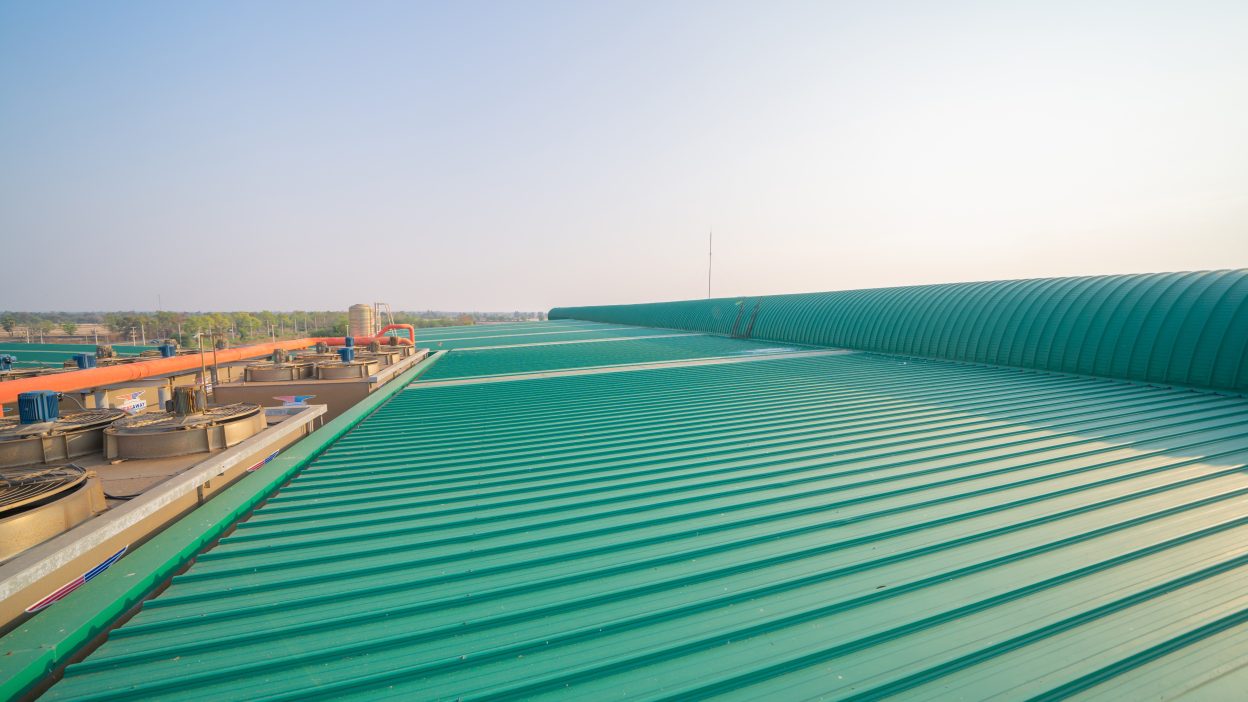
One of a building’s most crucial components is its roof. It protects your home or commercial property from rain, moisture, heat, and changing weather conditions. However, when a roof starts leaking, water can quickly damage ceilings, walls, insulation, electrical systems, and furniture. One practical way to protect a roof from water damage is to install a waterproof roofing sheet. These sheets create a protective layer over the roof and help prevent rainwater from entering the building. But with so many options available, choosing the right one can be confusing.
So, which waterproof sheet for a roof is most effective? The answer depends on your roof type, local weather, budget, and how long you want the waterproofing to last.
What Is a Waterproof Roof Sheet?
A waterproof roof sheet is a protective material designed to keep water from passing through the roof. It can be installed over or beneath roofing materials, depending on the product and roofing system.
Waterproof sheets are commonly made from materials such as PVC, polyethylene, bitumen, EPDM rubber, fiberglass, or modified polymer membranes. Some are flexible and lightweight, while others are thicker and designed for heavy-duty applications.
A good waterproof sheet should do more than simply block water. It should also handle temperature changes, sunlight, wind, and normal movement of the roof without cracking or losing its waterproofing ability.
Which Waterproof Sheet Is Best for a Roof?
There is no single sheet that is perfect for every roof. However, EPDM rubber sheets, PVC membranes, TPO membranes, and bitumen-based sheets are among the most commonly used options for effective roof waterproofing.
The best choice depends on the type of roof and the conditions it needs to withstand.
1. EPDM Rubber Sheets
EPDM is a synthetic rubber membrane known for its excellent resistance to water and weather. It is particularly popular for flat and low-slope roofs.
One of its biggest advantages is flexibility. EPDM can expand and contract as temperatures change without easily cracking. It also offers good resistance to UV exposure and can remain effective for many years when properly installed and maintained.
Best for: Flat roofs, commercial buildings, and areas with frequent temperature changes.
Advantages:
- Highly flexible
- Excellent waterproofing
- Good UV and weather resistance
- Long service life
- Suitable for large roof areas
The main drawback is that installation requires proper preparation and skilled workmanship. Poorly sealed joints can still allow water to enter.
2. PVC Roofing Membranes
PVC, or polyvinyl chloride, roofing membranes are another effective waterproofing option. They are usually installed as sheets or membranes over flat and low-slope roofs.
PVC membranes are resistant to water, chemicals, and many environmental conditions. Their seams can also be heat-welded, creating strong and watertight connections.
PVC roofing is often a good choice for commercial and industrial buildings where durability and reliable waterproofing are important.
Best for: Commercial roofs, industrial buildings, and flat roofs.
Advantages:
- Strong waterproof protection
- Heat-welded seams
- Good resistance to chemicals
- Durable
- Relatively low maintenance
PVC can be more expensive than some basic waterproofing materials, and professional installation is recommended.
3. TPO Roofing Sheets
TPO, or thermoplastic polyolefin, is a single-ply roofing membrane that has become popular for flat and low-slope roofs. It provides good waterproofing while also reflecting a significant amount of sunlight, depending on the product.
This can help reduce heat absorption and may improve energy efficiency in some buildings.
TPO sheets are also heat-welded at the seams, helping create a continuous waterproof surface.
Best for: Flat commercial roofs and buildings in hot climates.
Advantages:
- Waterproof
- Lightweight
- Reflective surface options
- UV resistant
- Heat-welded seams
The quality and durability of TPO can vary between products, so choosing a reputable manufacturer and experienced installer is important.
4. Bitumen Waterproofing Sheets
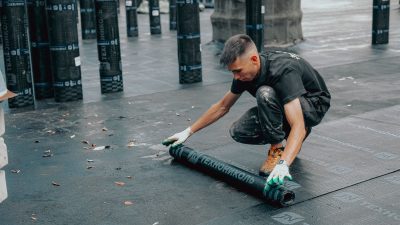
Bitumen sheets, sometimes called modified bitumen membranes, are widely used for roof waterproofing. They are made using asphalt-based materials reinforced with substances such as polyester or fiberglass.
These sheets are particularly useful for flat and low-slope roofs. They provide a thick protective barrier against rain and moisture and are available in different types and installation methods.
Best for: Residential buildings, commercial roofs, and flat concrete roofs.
Advantages:
- Strong waterproofing
- Good resistance to rain
- Available in different thicknesses
- Suitable for many roof types
- Often more affordable than some premium membrane systems
However, some bitumen systems require heat during installation, so professional installation and proper safety procedures are important.
What About Plastic or Tarpaulin Sheets?
Plastic sheets and tarpaulins can provide temporary protection against rain, but they are generally not the best long-term waterproofing solution.
They can be useful when you need to protect an unfinished roof or temporarily cover a leaking area. However, continuous exposure to sunlight, wind, and temperature changes can cause some inexpensive plastic materials to become brittle or tear.
For permanent roof protection, a purpose-made roofing membrane or waterproofing system is usually a better choice.
Factors to Consider Before Choosing a Waterproof Roof Sheet
Choosing a waterproof sheet should not be based on price alone. Consider the following factors before making a decision.
-
Roof Type
A flat concrete roof may require a different waterproofing system than a pitched metal roof. Always select a material designed for your particular roof structure.
-
Local Weather
If your area experiences heavy rainfall, strong sunlight, high temperatures, or frequent temperature changes, choose a sheet that can withstand those conditions. For hot climates, UV resistance and heat performance are particularly important. For areas with heavy rain, reliable seams and drainage are essential.
-
Durability
A waterproofing material may be inexpensive initially but could cost more over time if it needs frequent repairs or replacement. Look at the expected service life, warranty, maintenance requirements, and installation quality.
-
Installation Method
Even the best waterproof sheet can fail if it is installed incorrectly. Roof surfaces should be properly prepared, seams should be sealed correctly, and drainage should be adequate. This is why professional installation can make a major difference in the performance of a waterproofing system.
-
Budget
Your budget will also influence your choice. Basic bitumen products may offer good value, while premium membranes such as EPDM, PVC, or TPO can provide specialized benefits.
Instead of choosing the cheapest option, compare the total cost over the life of the roof, including installation, maintenance, and possible repairs.
How to Make Waterproof Roof Sheets Last Longer
Proper installation is only the first step. Regular maintenance can help extend the life of a waterproof roofing system.
Inspect the roof periodically for damaged areas, loose edges, cracks, or open seams. Keep gutters and drains clear so water does not remain on the roof for long periods.
Trees should also be trimmed when necessary to prevent branches from damaging the membrane. If you notice a leak, repair it as soon as possible rather than waiting for the problem to become worse.
Conclusion
So, which waterproof sheet for a roof is most effective? For many applications, EPDM, PVC, TPO, and modified bitumen sheets can all provide excellent waterproofing when the right product is selected and installed correctly. For flexible and long-lasting protection, EPDM can be an excellent option. PVC and TPO are strong choices for many commercial flat roofs, while bitumen sheets can provide reliable waterproofing at a range of price points.
Ultimately, the best waterproof sheet is the one that matches your roof design, climate, budget, and expected lifespan. A high-quality material combined with proper installation and regular maintenance will provide much better protection than simply choosing the cheapest sheet available.