
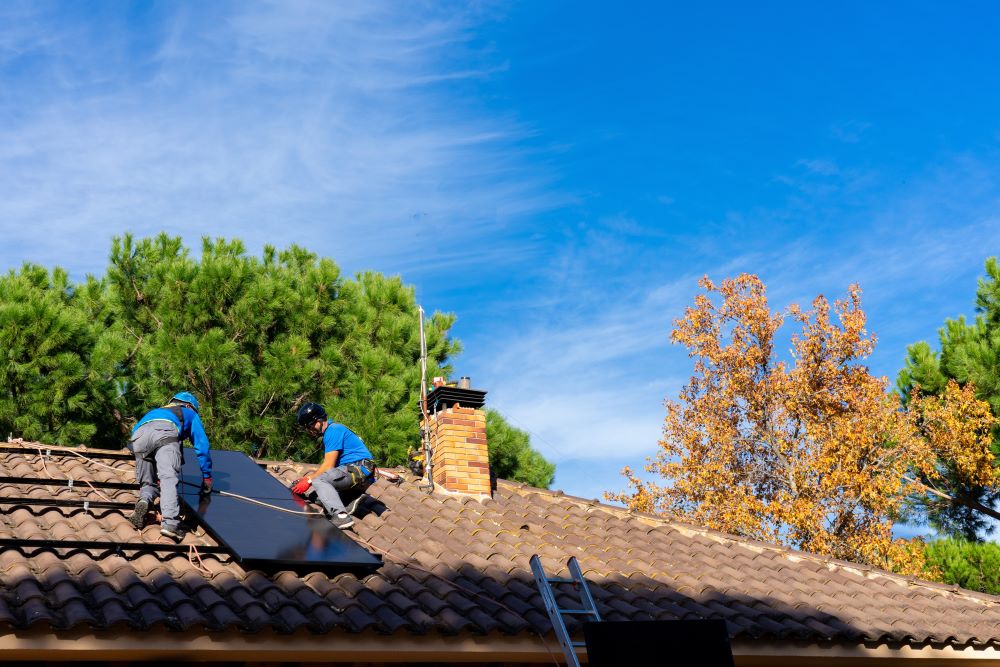
If you’ve ever stood in your living room watching a water stain spread across the ceiling, or felt your upstairs bedrooms turn into saunas by mid-afternoon, you already know how much a roof matters. It’s the one part of your home that takes the sun, rain, wind, and everything else the sky throws at it, day after day, without complaining. Until it does.
The good news is that you have plenty of options for keeping water out and heat under control. Some are about picking the right materials. Others are about smart design and regular care. Let’s examine the ones that genuinely have an impact.
Why Leaks and Heat Damage Go Hand in Hand
It’s tempting to treat leaks and heat as two separate problems, but they’re more connected than most people realize. Intense sun bakes roofing materials, causing them to expand during the day and contract at night. Over time, that constant movement cracks sealants, loosens fasteners, and makes shingles brittle. Once those tiny gaps open up, water finds its way in.
Heat also hurts from the inside. When your attic traps hot air, it cooks the underside of the roof deck and shortens the life of your shingles from below. It also drives up your cooling bills. So the best roofing strategy tackles both problems together.
Choose Roofing Materials Built for Your Climate
The material you pick sets the foundation for everything else. Here are the strongest performers.
- Metal roofing. Metal has become a favorite for good reason. Standing seam panels have few exposed fasteners, which means fewer places for water to sneak in. Metal also sheds rain and snow quickly, and when it’s finished with a reflective coating, it bounces a large portion of the sun’s energy away from your home. It’s more expensive upfront than asphalt, but many metal roofs last 40 to 70 years with very little fuss.
- Clay and concrete tiles. If you live somewhere hot and sunny, tile is hard to beat. The curved shape lets air flow beneath the tiles, which acts like a natural buffer against heat. Tiles are also tough against UV rays and don’t rot or corrode. The tradeoff is weight. Tile is heavy, so your home’s structure needs to support it, and individual tiles can crack if someone walks on them carelessly.
- Cool-rated asphalt shingles. Not ready to switch away from shingles? You don’t have to. Many manufacturers now make shingles with reflective granules designed to reduce heat absorption. They cost only a little more than standard shingles and can lower roof surface temperatures noticeably. Look for products with a cool roof rating, such as those listed by the Cool Roof Rating Council.
- Synthetic slate and composite shingles. These mimic the look of natural slate or wood without the maintenance headaches. They resist impact, UV damage, and moisture, and they’re lighter than the real thing. Quality varies by brand, so it pays to check warranties and independent test results.
- Flat roof membranes (TPO, PVC, and EPDM). For flat or low-slope roofs, single-ply membranes are the standard. White TPO and PVC are especially good in hot regions because they reflect sunlight and help keep the building cooler. Their welded seams, when installed properly, form a watertight surface. Just keep in mind that installation quality matters enormously here. A great membrane installed badly will still leak.
Don’t Skip the Underlayment
Most people focus on the visible layer of the roof, but the hidden layers do a lot of the heavy lifting. Underlayment is the protective barrier between your roofing material and the wooden deck. If wind-driven rain gets past your shingles or tiles, this layer is your second line of defense.
Modern synthetic underlayments are stronger and more tear-resistant than old-fashioned felt paper, and they handle heat much better. In areas prone to ice dams or heavy storms, a self-adhering waterproof membrane around eaves, valleys, and penetrations adds serious protection. It seals tightly around nails and stays flexible in changing temperatures.
If you’re getting a new roof, ask your contractor exactly what underlayment they plan to use. It’s a small line item that can save you from a big headache.
Pay Attention to the Weak Spots
Here’s something roofers will tell you over and over: most leaks don’t start in the middle of a shingle field. They start at the details. Think of chimneys, skylights, vent pipes, valleys, and the spots where the roof meets a wall.
Flashing is the metal or membrane material that seals these joints. Good flashing, installed correctly and sealed well, is what keeps water out of those vulnerable areas. Cheap or poorly installed flashing is one of the most common causes of leaks, even on otherwise new roofs.
Whenever you have work done, ask about:
- Step flashing along walls and dormers
- Counter-flashing around chimneys
- Pipe boots that resist cracking in the sun (silicone and metal versions outlast basic rubber)
- Properly sealed skylight surrounds
Rubber pipe boots, for example, often crack within ten years under strong sun exposure, and they’re a classic hidden culprit behind ceiling stains.
Ventilation: The Unsung Hero
If there’s one upgrade that quietly protects your roof from heat damage, it’s proper attic ventilation. A balanced system pulls cooler air in through soffit vents at the bottom of the roof and lets hot air escape through ridge vents or other exhaust vents near the top.
Without that airflow, attic temperatures can soar well past outdoor temperatures. That heat bakes your shingles from beneath, warps the roof deck, and pushes warm air down into your living space. In colder climates, poor ventilation causes a different problem: moisture buildup, mold, and ice dams in winter.
A good rule of thumb is to have enough intake and exhaust vent area for your attic size, with roughly equal amounts of each. A roofer or energy auditor can check whether your attic is breathing the way it should.
Add Insulation and Radiant Barriers
Ventilation and insulation work as a team. Insulation slows the transfer of heat between your attic and the rooms below, which keeps your home more comfortable and takes pressure off your air conditioner.
In sunny regions, a radiant barrier can add extra help. This is a reflective layer, often foil-faced sheathing or a foil sheet attached to the underside of the rafters, that reflects radiant heat away from the attic space. It’s not a miracle product, and its benefits are strongest in hot climates, but combined with good ventilation and insulation, it can lower attic temperatures and reduce cooling costs.
Use Reflective Coatings for Extra Protection
If your roof is still in decent shape but running hot, a reflective roof coating might be a smart middle step. These elastomeric or acrylic coatings are applied right over the existing surface. They reflect sunlight, seal minor cracks, and add a bit of waterproofing.
Coatings are especially popular on flat and low-slope roofs, where heat buildup is a bigger concern. They’re not a fix for a roof that’s already failing, though. Think of them as maintenance and protection for a roof that still has life left, not as a rescue for a worn-out one.
Keep Your Gutters and Drainage Clear
Water that can’t leave your roof will eventually find another way off, and that way is often through your ceiling. Clogged gutters cause water to back up under the roof edge, soak the fascia, and sometimes rot the decking. On flat roofs, blocked drains lead to ponding water, which strains the membrane and speeds up leaks.
Clean gutters at least twice a year, more often if you have overhanging trees. Make sure downspouts carry water well away from your foundation. These small chores cost almost nothing and prevent big repairs.
Schedule Regular Inspections
Even the best roof needs a check-up. A yearly inspection, plus one after any major storm, helps catch small problems before they turn expensive. Look for:
- Cracked, curling, or missing shingles
- Granules collecting in gutters
- Rust on metal flashing
- Sagging areas or soft spots
- Daylight or dark stains in the attic
- Damp or musty-smelling insulation
You can do a basic visual check from the ground with binoculars. For anything beyond that, hire a licensed roofer. Climbing around on a hot or wet roof is risky, and professionals can spot issues you might not notice.
Hire the Right Contractor
Honestly, the most carefully chosen materials can fail if the installation is sloppy. Look for a licensed, insured contractor with solid local reviews and clear written warranties. Ask for references, get more than one quote, and be wary of anyone who pressures you to sign right away or offers a price that seems too good to be true.
A trustworthy roofer will explain your options in plain language, walk you through the tradeoffs, and tell you honestly if a repair will do instead of a full replacement.
Conclusion
There’s no single magic fix for leaks and heat damage. The best protection comes from layers working together: a durable, climate-appropriate roofing material, solid underlayment, well-installed flashing, balanced ventilation, good insulation, and regular upkeep.
If you’re planning a new roof, think about your local weather first. Hot, sunny regions benefit from reflective materials and tile or metal. Rainy or snowy areas need extra attention to waterproofing and drainage. And no matter where you live, don’t cut corners on the details, because that’s where roofs tend to fail.


