Roof leakage is a common problem in homes, offices, shops, and commercial buildings. Water can enter through small cracks, damaged concrete, open joints, or weak areas in the roof. If the problem is ignored, it can lead to damp walls, peeling paint, mold, stains, and even damage to the structure.
Choosing the right roof leakage chemical can help protect the roof and prevent water from entering. However, there is no single chemical that works perfectly for every roof. The best solution depends on the type of roof, the source of the leakage, and the condition of the surface.
For most concrete roofs, a good-quality cementitious waterproofing compound, polyurethane coating, or acrylic waterproofing coating can provide effective protection when it is applied correctly. In this blog, we will explain the common types of roof leakage chemicals and how to choose the right one for long-lasting results.
What Is a Roof Leakage Chemical?
A roof leakage chemical is a waterproofing product designed to reduce or stop water from passing through a roof surface. These products can be applied to concrete, cement, masonry, and other suitable surfaces.
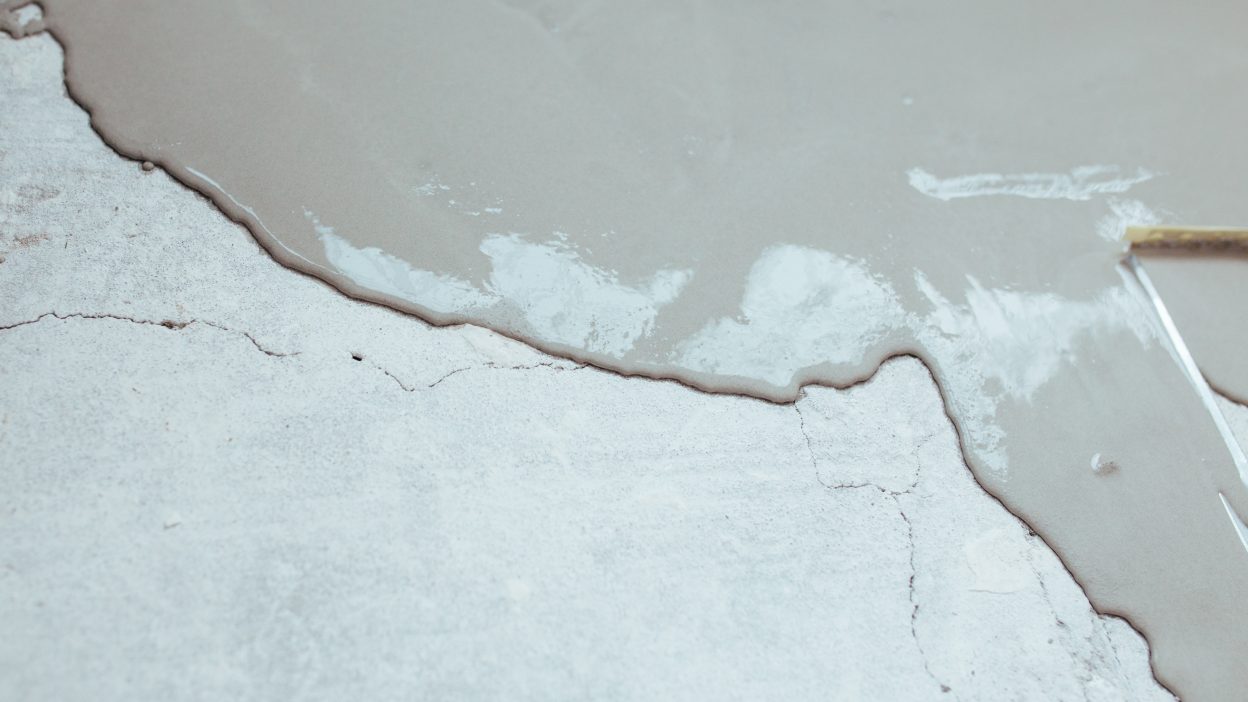
They work in different ways. Some products fill small cracks and pores, while others create a flexible waterproof layer over the roof. Some are mixed with cement or mortar and become part of the surface after curing.
The important point is that waterproofing chemicals work best when the actual source of leakage is identified and the roof is properly prepared first.
What Is the Best Chemical for Roof Leakage?
For a concrete roof, the best product is usually one that suits the specific leakage problem rather than simply choosing the strongest chemical.
1. Polyurethane Waterproofing Coating
Polyurethane, commonly called PU waterproofing, is one of the popular choices for roof waterproofing. It forms a flexible and water-resistant membrane over the roof.
This flexibility is useful because concrete surfaces can expand and contract due to changes in temperature. A good PU coating can move with minor surface movement instead of cracking easily.
It is particularly useful for:
- Concrete roofs
- Terraces
- Areas exposed to rain
- Roofs with minor cracks
- Flat roofs where water tends to collect
PU coatings can provide excellent waterproofing, but the roof must be dry, clean, and properly prepared before application.
2. Acrylic Waterproofing Coating
Acrylic waterproofing coatings are another practical option for roof leakage. They are generally easy to apply and are available in liquid form.
After application, the coating creates a protective layer that helps prevent rainwater from reaching the concrete surface.
Acrylic coatings are suitable for many residential and commercial roofs, especially when the surface needs a protective waterproof layer. They are also available in different formulations, including products designed to reflect sunlight and reduce heat absorption.
3. Cementitious Waterproofing Compound
Cementitious waterproofing chemicals are mixed with cement-based materials and applied to concrete or masonry surfaces.
They are commonly used when waterproofing needs to bond closely with a concrete surface. They can be useful for treating damp areas, cracks, joints, and other parts of a building where water penetration is occurring.
This type of waterproofing is often considered a practical option for concrete roofs because it becomes part of the cement-based surface.
However, cementitious products are generally less flexible than membrane-type coatings, so they may not be the best choice for roofs with significant movement or wide cracks.
4. Bituminous Waterproofing
Bituminous waterproofing products are commonly used for roofs, foundations, and other areas exposed to moisture. They can provide a strong barrier against water.
Bitumen-based products may be available as liquid coatings, membranes, or other waterproofing systems. They are especially useful when a complete waterproofing layer is required.
However, application conditions and the specific product matter. Some bituminous coatings may require additional protection from sunlight or mechanical damage.
Which Roof Leakage Chemical Should You Choose?
The right choice depends on the condition of your roof.
If your roof has small cracks and needs a flexible waterproof coating, polyurethane may be a suitable option. If you want a simple protective coating, an acrylic waterproofing product may work well.
For cement and concrete surfaces, a cementitious waterproofing compound can be useful. For larger waterproofing projects where a strong moisture barrier is required, bituminous systems can also be considered.
Before buying any product, check the manufacturer’s instructions to make sure it is suitable for your roof surface and the type of water exposure.
Why Roof Preparation Matters
Even the best roof leakage chemical may fail if it is applied to a dirty, damaged, or poorly prepared surface.
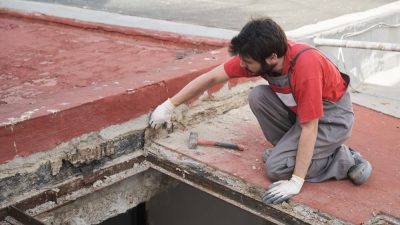
Before waterproofing, the roof should be inspected carefully. Dust, loose concrete, old paint, oil, moss, and other contaminants should be removed.
Cracks should also be repaired using a suitable crack-filling or repair material. Damaged joints, pipe openings, and areas around drains should receive special attention because they are common sources of leakage.
The surface should then be prepared according to the waterproofing product’s instructions. Some products require a primer, while others can be applied directly to the prepared surface.
Can Roof Leakage Be Stopped Permanently?
A waterproofing chemical can provide long-lasting protection, but calling any product 100% permanent would be misleading.
The durability of waterproofing depends on several factors, including the quality of the product, application method, weather conditions, roof movement, drainage, and maintenance.
For example, if rainwater remains standing on the roof for long periods, the waterproofing system may experience additional stress. Similarly, new cracks can develop if the building or concrete moves.
For this reason, the best approach is not simply to apply more chemical. The goal should be to repair the cause of the leakage and then apply the correct waterproofing system.
How to Apply Roof Waterproofing Chemical
The exact method varies by product, but a typical process includes:
- Step 1: Inspect the roof
Find where the water is entering and identify cracks, joints, drains, and damaged areas. - Step 2: Clean the surface
Remove dust, dirt, loose material, algae, and anything that could prevent the waterproofing product from bonding properly. - Step 3: Repair cracks and damaged areas
Seal cracks and repair weak concrete before applying the main waterproofing layer. - Step 4: Apply primer if required
Some waterproofing systems need a primer to improve adhesion. - Step 5: Apply the waterproofing chemical
Apply the product evenly according to the manufacturer’s recommended thickness and coverage. - Step 6: Allow proper curing
Do not expose the coating to water or heavy use before it has properly cured. - Step 7: Inspect the finished surface
Check for missed areas, bubbles, cracks, or weak spots before considering the work complete.
Conclusion
The best roof leakage chemical is not necessarily the most expensive product. It is the one that matches the roof’s surface, leakage problem, and environmental conditions. For many concrete roofs, polyurethane, acrylic, cementitious, and bituminous waterproofing systems can all provide effective results when used correctly. Among these, flexible coatings such as polyurethane can be particularly useful where minor roof movement and cracking are concerns.
Most importantly, do not treat waterproofing as a simple paint job. Proper surface preparation, crack repair, correct application, and good drainage are essential for long-lasting results.
If your roof has serious leakage, wide cracks, damaged concrete, or continuous standing water, it is better to have the roof inspected by a waterproofing professional before selecting a chemical. A proper diagnosis can help you choose the right waterproofing system and avoid spending money on temporary repairs.