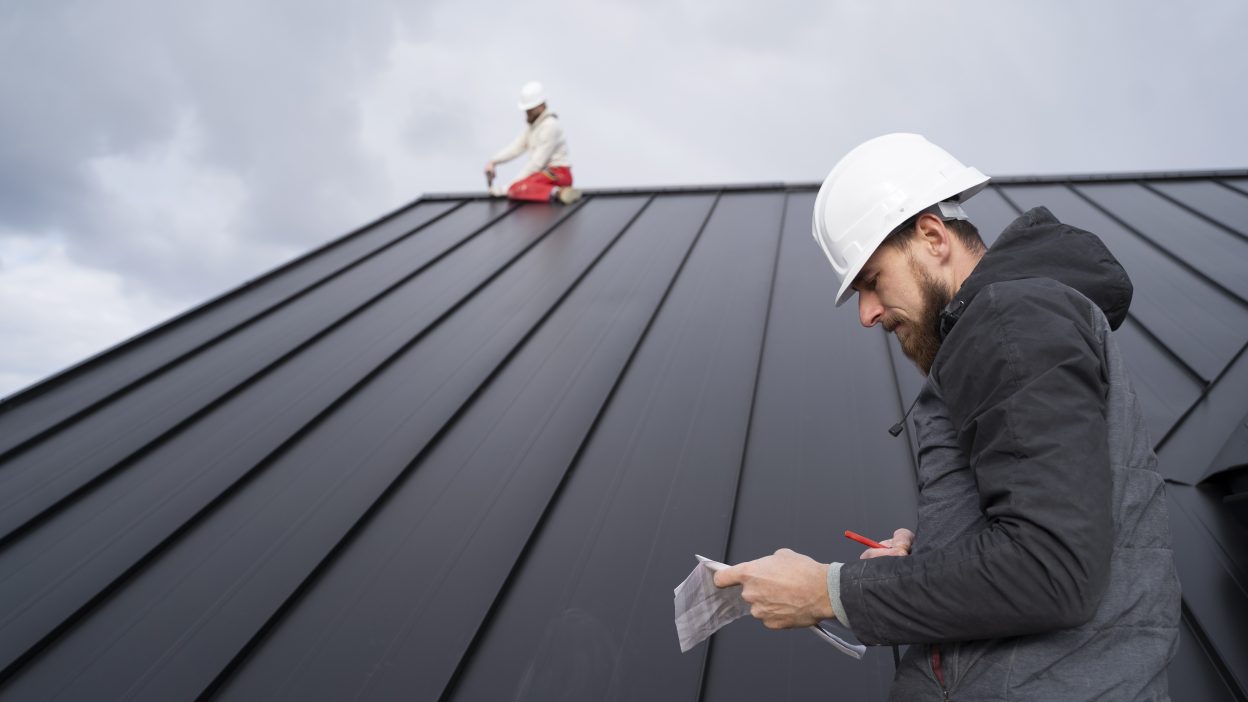
One of a building’s most crucial components is its roof. It protects the home or commercial property from rain, heat, wind, and other weather conditions. However, even a strong roof can become damaged or worn over time. Constant exposure to sunlight, moisture, temperature changes, and heavy rain can cause cracks, leaks, and other problems.
One way to protect and extend the life of a roof is by using roof coating. A protective layer applied to an existing roof surface is called a roof coating. It can help protect the roof from weather damage, improve energy efficiency, and reduce the need for expensive repairs.
But what exactly is roof coating, how does it work, and why do property owners use it? Let’s take a closer look.
What Is Roof Coating?
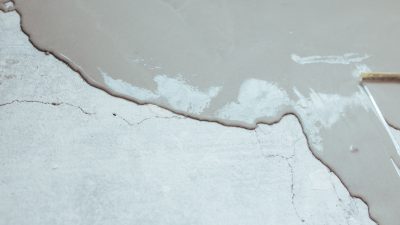
Roof coating is a liquid material that is applied to the surface of a roof. After it is applied, the coating dries and forms a protective layer over the existing roofing material.
Depending on the type of coating, it can be applied to different roofing surfaces, including metal, concrete, modified bitumen, built-up roofs, and some single-ply roofing systems.
Roof coatings are available in different formulas and colors, but many are designed to create a seamless, flexible barrier. This barrier helps protect the roof from water, sunlight, heat, and general wear.
Unlike replacing an entire roof, roof coating works with the existing roofing system. This makes it a practical option when the roof is still in reasonably good condition but needs additional protection.
Why Is Roof Coating Used?
There are several reasons why homeowners and commercial property owners choose roof coating. The main purpose is to protect the roof and help it perform better for a longer period.
1. Protects Against Water and Leaks
Water is one of the biggest threats to a roof. Small cracks, gaps, and weak areas can allow rainwater to enter the roofing system. Over time, this can lead to leaks, dampness, mold, and damage to the building.
A properly applied roof coating creates an additional protective layer over the roof. Some coatings are designed to resist water and help prevent moisture from reaching vulnerable areas.
However, roof coating is not a replacement for repairing serious leaks. Prior to applying the paint, any significant damage should be fixed.
2. Helps Protect Against Sun Damage
Roofs are exposed to sunlight almost every day. Ultraviolet (UV) rays can gradually break down roofing materials, causing them to become dry, brittle, or damaged.
Many roof coatings are designed to resist UV exposure. They can help reduce the effect of constant sunlight and protect the underlying roofing material.
This can be particularly useful in areas with hot and sunny weather, where roofs may experience intense heat for long periods.
3. Can Reduce Heat Absorption
Some roof coatings, especially reflective or white coatings, are designed to reflect more sunlight instead of absorbing it.
A traditional dark-colored roof can absorb a significant amount of solar heat. A reflective coating can help keep the roof surface cooler, which may reduce the amount of heat transferred into the building.
As a result, the building may require less air conditioning during hot weather. While the amount of energy saved depends on factors such as the building design, insulation, climate, and coating type, a reflective roof can contribute to better energy efficiency.
4. Extends Roof Life
Replacing a roof can be expensive and disruptive. If an existing roof is still structurally sound, coating it may help extend its useful life.
The coating adds another layer of protection against weather, UV rays, moisture, and normal wear. This can slow down deterioration and help the existing roofing material last longer.
Roof coating does not make an old or severely damaged roof new again, but it can be a useful maintenance solution when the roof is suitable for coating.
5. Helps Seal Small Cracks and Surface Imperfections
Roofs naturally develop small cracks and surface imperfections as they age. Temperature changes can cause roofing materials to expand and contract, which may contribute to these issues.
Some roof coatings are flexible and can move with the roof surface. When properly applied, they can cover small imperfections and create a more continuous protective surface.
It is important to remember that larger cracks, structural problems, and significant damage should be repaired before coating.
Common Types of Roof Coatings
Different roof coatings are designed for different roofing materials and conditions. Some of the most common types include:
-
Acrylic Roof Coating
Acrylic coatings are water-based and commonly used for their UV resistance and reflective properties. They are often available in white and other colors and can be suitable for many commercial and residential roofing applications.
-
Silicone Roof Coating
Silicone coatings are known for their resistance to water and their ability to perform in wet conditions. They can be useful for roofs where water tends to remain on the surface for extended periods.
-
Polyurethane Roof Coating
Polyurethane coatings are generally durable and can provide good resistance to impact and foot traffic. They are often used in commercial roofing systems where additional durability is important.
-
Elastomeric Roof Coating
Elastomeric coatings are designed to remain flexible after curing. This flexibility allows the coating to expand and contract with changes in temperature, helping it handle normal movement in the roofing system.
The right coating depends on the existing roof material, climate, condition of the roof, and the specific goals of the property owner.
How Is Roof Coating Applied?
Before applying a roof coating, the roof should be inspected carefully. Any major leaks, damaged areas, loose materials, or structural problems should be addressed first.
The roof surface usually needs to be cleaned to remove dirt, dust, debris, oil, and other contaminants. Depending on the roofing system, repairs and preparation work may also be necessary.
Once the surface is properly prepared, the coating can be applied using methods such as rollers, brushes, or specialized spraying equipment. Some systems require more than one coat to achieve the recommended thickness and protection.
The coating then needs enough time to cure. Weather conditions, temperature, humidity, and the type of product can affect drying and curing time.
Because proper preparation and application are important, professional installation is often recommended, especially for large commercial roofs.
Is Roof Coating the Same as Roof Replacement?
No. Roof coating and roof replacement are two different solutions.
Roof replacement involves removing an existing roofing system and installing a new one. It may be necessary when the roof has serious structural damage, widespread deterioration, or has reached the end of its useful life.
Roof coating, on the other hand, is applied over an existing roof that is generally still suitable for restoration. It is more focused on protection, maintenance, and extending the roof’s service life.
For this reason, coating can sometimes be a more affordable alternative to replacement, but it is not appropriate for every roof.
When Should You Consider Roof Coating?
Roof coating may be worth considering when the existing roof is aging but remains structurally sound. It can also be useful when you want to improve protection against sunlight and moisture or potentially reduce cooling costs.
Before making a decision, have the roof inspected by a qualified roofing professional. They can determine whether the roof is a good candidate for coating or whether repairs or replacement would be a better option.
Conclusion
Roof coating is a practical way to add another layer of protection to an existing roof. It can help defend against moisture, UV exposure, heat, and everyday weather conditions while potentially extending the life of the roofing system.
For property owners, one of the biggest advantages is that coating can help maintain an existing roof without immediately replacing the entire system. It may also improve energy efficiency when a reflective coating is used.
However, roof coating is not a solution for every roofing problem. The condition of the existing roof, the type of roofing material, local weather, and the coating product all need to be considered.
When the right coating is selected and applied correctly, it can be a valuable part of a long-term roof maintenance strategy. Regular inspections and timely repairs, combined with a suitable roof coating, can help keep a roof in better condition and protect the building for years to come.