If you own a home or a commercial building in Pakistan, you have probably faced at least one of these problems: damp walls, a leaking roof, peeling paint, or that musty smell that never seems to go away. Most people think these are small, everyday issues. In reality, they are warning signs of a much bigger problem: water damage. And the best way to prevent it is through proper waterproofing.
Waterproofing is not just a luxury or an extra expense. In a country like Pakistan, where the weather swings between heavy monsoon rains, high humidity, and extreme heat, waterproofing is a basic necessity for every building. Let’s understand why it matters so much and what happens when it is ignored.
Pakistan’s Climate Makes Waterproofing Non-Negotiable
Pakistan does not have a mild, predictable climate. Depending on where you live, your building faces a different set of challenges:
- Karachi and coastal areas deal with high humidity almost all year round, along with salty sea air that speeds up corrosion and dampness.
- Lahore, Islamabad, and Punjab cities face heavy monsoon rains between July and September, often leading to flooded streets and water seeping into basements and ground floors.
- Northern areas experience heavy snowfall and freeze-thaw cycles, which can crack unprotected concrete over time.
No matter which city you’re in, water finds a way to reach your building through the roof, walls, foundation, or bathrooms. Without a proper waterproofing layer, that water doesn’t just sit on the surface. It seeps in, and once it’s inside, it causes damage that is expensive and difficult to reverse.
What Happens When a Building Isn’t Waterproofed?
Many property owners in Pakistan only think about waterproofing after damage has already occurred. By then, the repair bill is usually much higher than it would have been if waterproofing had been done from the start. Here’s what typically goes wrong:
1. Structural Damage
Water that seeps into concrete and brickwork weakens the structure from within. Steel reinforcement bars inside concrete start to rust when exposed to moisture, and rusted steel expands, causing cracks in the concrete around it. Over years, this can seriously compromise the strength of a building.
2. Mold and Health Issues
Pakistan’s humid weather is a perfect breeding ground for mold and mildew once moisture gets trapped inside walls or ceilings. Mold isn’t just unsightly it can trigger allergies, asthma, and other respiratory problems, especially in children and elderly family members.
3. Damage to Paint, Plaster, and Interiors
Dampness causes paint to bubble and peel, plaster to crumble, and wooden furniture or doors to warp. This means more frequent repainting and repair costs, which add up significantly over time.
4. Electrical Hazards
In many older buildings, water seepage reaches electrical wiring embedded in walls or ceilings. This is a serious safety risk and one of the lesser-discussed dangers of poor waterproofing.
5. Reduced Property Value
Whether you plan to sell or rent out your property, visible water damage stains, cracks, or a musty smell immediately lowers its value. Buyers and tenants in Pakistan are increasingly aware of these issues and often ask directly about waterproofing before finalizing a deal.
Why Waterproofing Matters Even More for Commercial Buildings
For commercial properties like offices, shopping malls, warehouses, and factories, the stakes are even higher. A water leak in a commercial building doesn’t just damage the structure it can:
- Disrupt daily business operations
- Damage expensive equipment, inventory, or documents
- Create safety hazards for employees and customers
- Lead to costly legal or insurance complications
Commercial buildings also tend to have larger roofs, basements, and parking areas — all high-risk zones for water penetration. A single monsoon season without proper waterproofing can result in losses that far exceed the cost of preventive treatment.
Common Areas That Need Waterproofing
Not every part of a building faces the same level of water exposure. Here are the areas that typically need the most attention:
- Roofs – The most exposed part of any building, especially flat roofs common in Pakistani construction, which tend to collect standing water during rains.
- Bathrooms and kitchens – Constant exposure to water makes these rooms highly prone to seepage if not properly sealed.
- Basements – Below ground level, basements are at high risk of water entering through the foundation, especially in areas with a high water table.
- External walls – Rain, humidity, and even underground moisture can travel up through walls over time.
- Water tanks – Often overlooked, but leaking or seeping water tanks can silently damage the structure around them for years.
Types of Waterproofing Solutions Used in Pakistan
The good news is that waterproofing technology has come a long way, and there are several effective methods available depending on the building and budget:
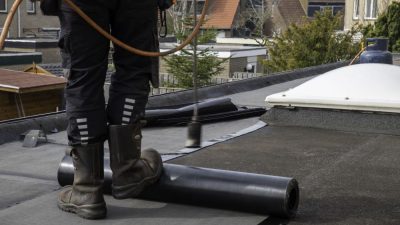
- Membrane Waterproofing – Involves applying waterproof sheets or coatings, commonly used for roofs and terraces.
- Cementitious Waterproofing – A cost-effective and widely used method in Pakistan, especially for water tanks, bathrooms, and basements.
- Liquid Waterproofing Membrane – A flexible coating applied like paint, ideal for irregular surfaces and roofs.
- Polyurethane Waterproofing – Known for high durability, often used in areas with heavy foot traffic or extreme weather exposure.
- Injection Grouting – Used to seal cracks in existing structures, particularly useful for older buildings already showing signs of seepage.
A good contractor will usually assess your building first and recommend the right combination of these methods, rather than applying a one-size-fits-all approach.
Waterproofing Is an Investment, Not an Expense
It’s easy to think of waterproofing as an optional add-on, something you can skip to save money during construction. But the reality is the opposite. The cost of waterproofing a building upfront is almost always lower than the cost of repairing water damage later not to mention the health risks, safety hazards, and inconvenience that come with it.
Think of it this way: a roof repaired due to years of unnoticed seepage can cost several times more than proper waterproofing done at the time of construction. And for commercial buildings, the cost of business disruption alone can outweigh the price of prevention many times over.
Conclusion
Given Pakistan’s climate, heavy monsoons, high humidity, and extreme temperature shifts, waterproofing isn’t something to think about later. It should be part of the planning process from day one, whether you’re building a new home, renovating an old one, or managing a commercial property.
A small investment in proper waterproofing today can save you from structural damage, health problems, and heavy repair costs tomorrow. If your building hasn’t been waterproofed yet, or if it’s been a few years since the last treatment, it’s worth getting a professional inspection done before the next monsoon season arrives.