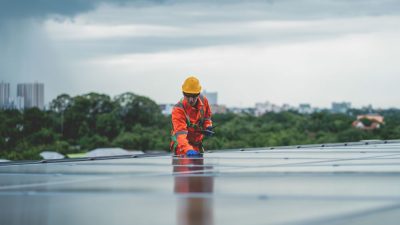

If you’ve ever dealt with a leaking roof, you know how much stress, money, and time it can cost. Water doesn’t just damage your ceiling it creeps into walls, weakens structures, and can even affect your health by encouraging mold growth. This is why waterproofing your roof isn’t just a good idea; it’s a necessity. And when it comes to roof waterproofing, one material has stood the test of time: bitumen.
But how effective is bitumen waterproofing, really? Is it just an old-school solution, or does it still hold up against modern alternatives? Let’s break it down:
What Exactly Is Bitumen?
Bitumen is a thick, sticky, black substance that comes from crude oil. You might also know it by its more common name asphalt. It’s been used for centuries, not just in roofing but in road construction too. Its natural waterproof quality makes it an excellent barrier against moisture, which is exactly why it’s been a go-to choice for roofs for generations.
When applied to a roof, bitumen forms a tough, flexible membrane that keeps water from seeping through. It can be applied in several ways as liquid coatings, self-adhesive sheets, or torch-applied membranes depending on the type of roof, the surface material, and the level of protection needed. Some systems combine bitumen with reinforcing fabrics or polymer additives to boost strength and flexibility even further, which has helped the material evolve well beyond its traditional form.
Why Bitumen Is So Popular for Roofing
There’s a reason bitumen has remained a staple in the construction industry for so long, even as newer materials have entered the market. Here are some of the biggest reasons homeowners and contractors keep choosing it:
- It’s genuinely waterproof. This might sound obvious, but it’s worth repeating bitumen does exactly what it promises. Its dense, sticky composition doesn’t allow water to pass through, even during heavy rains or prolonged wet seasons. This makes it a dependable first line of defense against one of the most common causes of building damage.
- It’s flexible. Throughout the year, roofs expand and contract in response to variations in temperature. A rigid waterproofing material would crack under this constant movement, but bitumen remains flexible enough to move with the roof without breaking its seal. This flexibility is especially valuable in regions that experience big swings between hot days and cool nights.
- It’s budget-friendly. Compared to many modern waterproofing systems, bitumen tends to be more affordable, both in terms of material costs and labor. This makes it an attractive option for homeowners who want reliable protection without spending a fortune, and it’s also why it remains popular for large commercial roofing projects where cost per square foot really adds up.
- It works on multiple surfaces. Whether you have a flat roof, a sloped roof, concrete, or metal decking, bitumen can typically be adapted to suit the surface. This versatility is one of the reasons it’s used across residential homes, warehouses, and even bridges.
- It has a long history of proven performance. Unlike some newer materials that are still being tested over time, bitumen has decades of real-world data showing how it performs across different climates and building types.
How Long Does Bitumen Waterproofing Actually Last?
The majority of people genuinely seek an answer to this topic. On average, a well-installed bitumen waterproofing system can last anywhere between 10 to 20 years, depending on a few key factors:
- Type of bitumen used — Modified bitumen (which includes added polymers like SBS or APP) tends to last longer and perform better than traditional oxidized bitumen. Modified versions offer improved elasticity and better resistance to temperature extremes.
- Quality of installation — Even the best material won’t perform well if it’s poorly applied. Proper surface preparation, correct overlap of sheets, and appropriate sealing at joints and edges all matter significantly.
- Climate conditions — Roofs exposed to extreme heat, heavy rainfall, or big temperature swings may see faster wear and may need more frequent inspections.
- Roof maintenance — Regular inspections and minor repairs can significantly extend the lifespan of any waterproofing system, bitumen included. Neglect is often the real reason a system fails early, not the material itself.
So, while bitumen isn’t a “forever” solution, with proper care, it can protect your roof reliably for well over a decade which is a solid return on investment for most property owners.
The Strengths That Make Bitumen Stand Out
Beyond just keeping water out, bitumen offers a few added advantages worth mentioning:
- Resistance to UV rays. Many modern bitumen products come with UV-resistant coatings or mineral granules that help protect the membrane from sun damage, which is often an underestimated cause of roof deterioration over time.
- Good adhesion. Bitumen sticks well to most roofing substrates, which means fewer gaps or weak points where water could potentially sneak in, especially around tricky areas like vents, chimneys, and roof edges.
- Easy repairs. If a section of bitumen roofing does get damaged, it’s usually straightforward and inexpensive to patch or repair without needing to replace the entire system.
- Sound and thermal insulation benefits. Some bitumen membranes also provide a mild layer of thermal and acoustic insulation, adding a bit of extra comfort value beyond just waterproofing.
Where Bitumen Falls Short
- No material is perfect, and it’s important to be honest about bitumen’s limitations too.
- Heat sensitivity. In extremely hot climates, bitumen can soften and become more vulnerable to damage, scuffing, or even minor shifting, especially with lower-quality products.
- Odor and fumes during application. Torch-applied or hot-applied bitumen can produce strong smells during installation, which isn’t ideal for occupied buildings or areas with poor ventilation.
- Fire risk during installation. Torch-on application methods involve open flames, which requires skilled labor and strict safety precautions.
- Not the most eco-friendly option. Since bitumen is petroleum-based, it isn’t the greenest choice compared to some newer synthetic waterproofing membranes on the market today.
- Regular maintenance is still needed. While bitumen is durable, it’s not an “install and forget” solution. Periodic checks are necessary to catch small issues, like blisters or minor cracks, before they turn into bigger, more expensive problems.
Bitumen vs. Modern Alternatives
You might be wondering how bitumen stacks up against newer waterproofing options like PVC membranes, TPO, or liquid-applied polyurethane systems. Generally speaking, newer synthetic membranes can offer longer lifespans (sometimes 20 to 30 years), better environmental resistance, and are often lighter and easier to install without open flames. However, they usually come at a noticeably higher price point, and not all contractors are equally experienced with newer systems.
Bitumen, on the other hand, strikes a strong balance between affordability, durability, and proven performance. For many residential and even commercial applications, it remains a practical and cost-effective choice especially when installed correctly by experienced professionals who understand how to maximize its lifespan.
Tips to Maximize Bitumen’s Effectiveness
If you’re considering bitumen waterproofing for your roof, here are a few practical tips to get the most value out of it:
- Choose modified bitumen over traditional oxidized bitumen for better flexibility, durability, and long-term performance.
- Hire experienced contractors who understand proper surface preparation, correct layering, and safe application techniques.
- Schedule regular roof inspections, especially after extreme weather events like heavy storms or heatwaves.
- Address small cracks or blisters immediately before they turn into bigger, costlier leaks.
- Consider a protective top coating or reflective layer to guard against UV damage and reduce heat absorption.
Conclusion
So, how effective is bitumen for long-term roof protection? The honest answer is: very effective, as long as it’s installed properly and maintained over time. It’s not a flashy, high-tech solution, but it’s a tried-and-tested one that has protected buildings for generations, across countless climates and conditions.
If you’re looking for a waterproofing option that balances cost, durability, and reliability, bitumen is absolutely worth considering. It may not be the newest material on the market, but sometimes the classics earn their reputation for a reason and bitumen has clearly earned its place in the roofing world.
Whether you’re waterproofing a new roof or repairing an old one, working with experienced professionals and choosing quality materials will make all the difference in how long your roof stays dry, safe, and protected for years to come.