
One of the most crucial components of any building is your roof. It protects your home or commercial property from rain, heat, dust, and other weather conditions. Over time, however, roofs can develop small cracks, gaps, and weak spots that allow water to seep inside. This is where rooftop sealing becomes important.
What Is Rooftop Sealing?
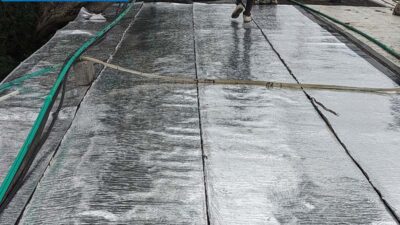
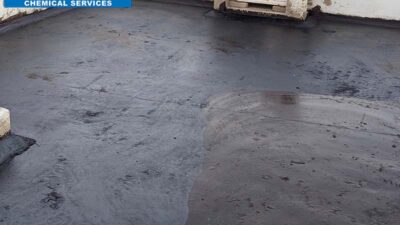
Rooftop sealing is the process of applying a protective coating or sealant to the roof surface. This coating creates a barrier that helps prevent water leaks, moisture damage, and other problems caused by harsh weather.
Roof sealants can be applied to different types of roofs, including concrete, metal, and flat roofs. The goal is to make the roof more durable and resistant to water and sunlight.
Why Is Rooftop Sealing Important?
1. Prevents Water Leaks
One of the main benefits of rooftop sealing is leak prevention. Rainwater can penetrate a building through even tiny holes, damaging the ceiling, walls, and furnishings. A good sealant helps block water from getting inside.
2. Protects the Roof from Damage
Constant exposure to sunlight, rain, and temperature changes can weaken roofing materials. Sealing adds an extra layer of protection and helps reduce wear and tear.
3. Extends Roof Life
Replacing a roof can be expensive. Rooftop sealing helps maintain the roof’s condition and can extend its lifespan by several years, reducing the need for major repairs or replacement.
4. Improves Energy Efficiency
Some roof sealants reflect sunlight and reduce heat absorption. This can help keep the building cooler during hot weather and lower air conditioning costs.
5. Reduces Maintenance Costs
By preventing leaks and damage, rooftop sealing helps avoid costly repairs. Regular sealing is often much cheaper than fixing major roofing problems later.
Signs Your Roof May Need Sealing
You may need rooftop sealing if you notice:
- Water stains on ceilings or walls
- Small cracks on the roof surface
- Damp areas after rainfall
- Peeling paint near the roof
- Increased roof maintenance issues
- Aging roof materials
How Often Should a Roof Be Sealed?
The frequency depends on the roof type, weather conditions, and the quality of the sealant used. In general, many roofs benefit from inspection every year and resealing every few years when needed.
Choosing the Right Rooftop Sealant
There are different types of roof sealants available, including acrylic, silicone, and polyurethane coatings. The best option depends on your roof material, climate, and budget. Consulting a roofing professional can help you choose the right solution.
How long does rooftop sealing last?
The lifespan of rooftop sealing depends on the type of sealant used, the roof material, and local weather conditions. On average, rooftop sealing can last 3 to 10 years before it needs reapplication.
- Acrylic sealants: Usually last 3–5 years.
- Silicone sealants: Can last 10 years or more.
- Polyurethane sealants: Typically last 5–10 years.
- Frequent upkeep and inspections: May help the sealant last longer.
If your roof is exposed to heavy rain, strong sunlight, or extreme temperatures, it may need resealing sooner. Annual roof inspections can help identify signs of wear before major problems develop.
Is rooftop sealing suitable for all roof types?
Rooftop sealing can be used on most roof types, but not every sealant works for every roof. Different roofing materials require different sealing products to provide the best protection and performance.
Common roof types that can be sealed include:
- Concrete roofs – One of the most common roofs for sealing.
- Metal roofs – Sealants help prevent rust and water leaks.
- Flat roofs – Sealing protects against water pooling and seepage.
- Tile roofs – Special sealants can help improve water resistance.
- Asphalt roofs – Certain coatings can extend roof life and protect against weather damage.
Conclusion
Rooftop sealing is a simple but effective way to protect your building from water damage, heat, and weather-related wear. It helps prevent leaks, extends roof life, improves energy efficiency, and saves money on repairs. Regular roof inspections and timely sealing can keep your property safe and in good condition for years to come.