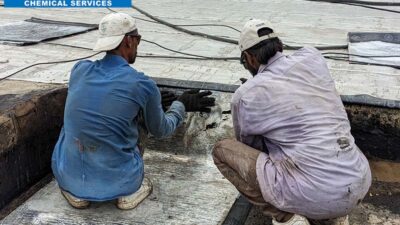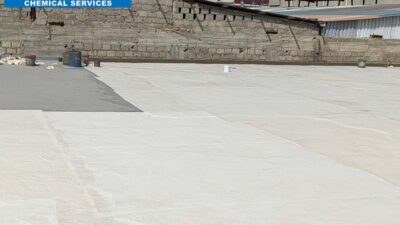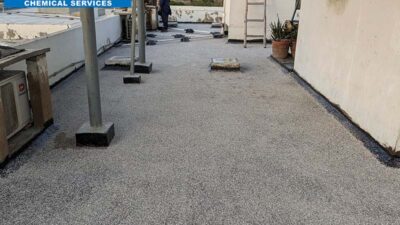

A strong roof protects your home or building from rain, heat, and moisture. But over time, small cracks and damaged surfaces can allow water to seep in. This can lead to leaks, mold, peeling paint, and even structural damage. One of the best ways to prevent these problems is by using a high-quality waterproofing chemical. But with so many products available, many people ask, Which waterproofing chemical is the best for roof protection?
The answer depends on your roof type, your local weather, and your budget. In this guide, we’ll explain the most popular waterproofing chemicals so you can choose the right one for your roof.
What Is a Waterproofing Chemical?
A waterproofing chemical is a unique compound that gives your roof a layer of protection. This layer blocks rainwater and moisture from entering the roof while helping it last longer.
Waterproofing chemicals are available in liquid, coating, membrane, and sealant forms. Some are ideal for concrete roofs, while others work better on metal, tiled, or flat roofs.
Why Is Roof Waterproofing Important?
Without proper waterproofing, your roof can develop many problems over time.
Some of the biggest benefits of waterproofing include:
- Prevents roof leaks
- Protects against heavy rain
- Stops cracks from getting worse
- Reduces mold and mildew growth
- Increases roof lifespan
- Lowers repair costs
- Improves energy efficiency by reducing heat absorption
Investing in waterproofing today can save you a lot of money on future repairs.
Best Waterproofing Chemicals for Roof Protection
Here are some of the most commonly used waterproofing chemicals.
1. Acrylic Waterproof Coating
Acrylic waterproof coatings are one of the most popular choices for residential buildings.
Advantages:
- Easy to apply
- Reflects sunlight and reduces roof temperature
- Good UV protection
- Affordable
- Suitable for concrete roofs
Best for: Homes, offices, and commercial buildings in hot climates.
- Polyurethane Waterproof Coating
Polyurethane coatings provide excellent waterproof protection and create a strong flexible layer.
Advantages:
- Highly durable
- Excellent water resistance
- Handles small roof movements without cracking
- Long-lasting performance
Best for: Flat roofs, terraces, balconies, and industrial buildings.
- Cement-Based Waterproofing Chemicals
These chemicals are mixed with cement before application.
Advantages:
- Strong bond with concrete
- Easy to use
- Cost-effective
- Suitable for water tanks and roofs
Best for: Concrete roofs and newly constructed buildings.
- Bituminous Waterproof Coating
Bituminous coatings are made from asphalt and provide thick waterproof protection.
Advantages:
- Excellent water resistance
- Good for areas with frequent rainfall
- Long-lasting protection
Best for: Foundations, basements, and flat concrete roofs.
- Silicone Waterproof Coating
Silicone coatings create a waterproof layer that also resists UV rays.
Advantages:
- Excellent weather resistance
- Doesn’t crack easily
- Performs well under standing water
- Requires less maintenance
Best for: Roofs exposed to heavy rain and strong sunlight.
Which Waterproofing Chemical Is the Best?
There isn’t one product that’s perfect for every roof.
Here is a simple comparison:
| Roof Type | Recommended Waterproofing Chemical |
|
Acrylic or Cement-based coating |
|
Polyurethane coating |
|
Silicone coating |
|
Polyurethane or Silicone coating |
|
Bituminous or Silicone coating |
The best choice depends on your roof’s condition, weather, and how long you want the protection to last.
How to Choose the Right Waterproofing Chemical
Before buying any waterproofing product, consider these factors:
- Roof material
- Climate in your area
- Budget
- Ease of application
- UV resistance
- Durability
- Manufacturer’s warranty
If your roof already has major cracks or damage, repair those areas before applying any waterproofing chemical.
Tips for Better Roof Waterproofing
To get the best results:
- Clean the roof thoroughly before application.
- Repair cracks and damaged areas first.
- Apply the recommended number of coats.
- Follow the manufacturer’s drying time.
- Inspect your roof every year for signs of wear.
- Reapply the coating when needed.
Proper application is just as important as choosing the right product.
Conclusion
Choosing the best waterproofing chemical for your roof can protect your home from leaks, moisture, and expensive repairs. Acrylic, polyurethane, silicone, cement-based, and bituminous waterproofing chemicals all offer different benefits depending on your roof type and local weather conditions.
If you’re looking for a balance of durability and performance, polyurethane and silicone coatings are excellent choices. For most residential concrete roofs, acrylic waterproof coatings provide reliable protection at an affordable price.
No matter which product you choose, applying it correctly and maintaining your roof regularly will help keep your property safe and dry for many years.