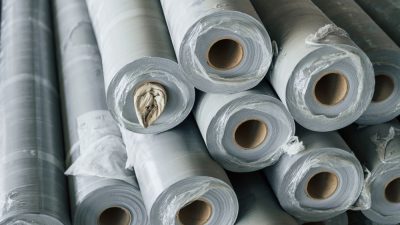

Dampness is a common problem in buildings across Pakistan. Moisture can move upward from the ground into walls and foundations, causing peeling paint, damaged plaster, bad smells, stains, and long-term structural problems. One way to reduce this problem during construction is to use a DPC membrane sheet.
DPC stands for Damp Proof Course. It is a waterproof layer placed between the foundation or plinth and the walls to help stop moisture from rising through the building materials.
If you are planning construction or renovation, you may be wondering about the latest DPC membrane sheet price in Pakistan and whether spending money on it is actually worth it. The answer depends on the type, thickness, size, brand, and quality of the sheet.
What Is a DPC Membrane Sheet?
A DPC membrane sheet is a waterproof barrier designed to prevent moisture from moving from the ground into walls. It is commonly installed under walls, around foundations, and at plinth level.
Some DPC products are made from bituminous materials, while others use reinforced or polymer-based materials. Their main purpose is the same: create a barrier that limits rising damp.
DPC is particularly important because moisture can travel through small spaces in bricks, concrete, and mortar through a process called capillary action. Once moisture enters a wall, it can move upward and cause visible damage.
A properly installed DPC membrane provides a continuous layer that helps interrupt this movement.
Latest DPC Membrane Sheet Price in Pakistan
There is no single fixed DPC membrane sheet price in Pakistan because suppliers sell different sizes, thicknesses, and qualities.
Current online Pakistani supplier listings show several different price points. For example, Ultra Construction lists a bituminous DPC waterproofing sheet at around Rs. 3,500, with options in 9-inch, 12-inch, and 18-inch widths.
Another Pakistani supplier, Nasir & Sons, lists reinforced DPC membrane products in different widths. Its listed prices include approximately Rs. 2,420 for a 4-inch, 50 RFT roll, Rs. 3,388 for 6 inches, Rs. 4,235 for 9 inches, and Rs. 4,840 for 13 inches. These products are listed with a 1.5 mm thickness.
This means that, as a general guide, you may currently find DPC membrane rolls in Pakistan from roughly Rs. 2,400 to Rs. 5,500 or more, depending on the product specification.
For example, one supplier lists the following 2 mm bituminous DPC sheet prices:
- 9-inch × 50 ft: around Rs. 3,500
- 12-inch × 50 ft: around Rs. 4,500
- 18-inch × 50 ft: around Rs. 5,500
Thicker 3 mm and 4 mm versions may also be available at higher prices.
These should be treated as indicative prices rather than a fixed nationwide rate. Prices can change depending on the supplier, city, brand, thickness, roll length, and market conditions.
What Factors Affect DPC Sheet Price?
Several things can make one DPC membrane more expensive than another.
1. Thickness
Thickness is one of the most important factors. A thicker membrane generally uses more material and may provide better resistance to puncturing and damage during construction.
You may find basic options around 1.5 mm to 2 mm, while heavier-duty products can be thicker.
However, buying the thickest product available is not always necessary. The correct thickness depends on the building design and where the DPC will be installed.
2. Width
DPC membranes are available in different widths. A narrow sheet may be suitable for certain wall sizes, while wider sheets can provide better coverage where required.
Because the price often increases with width, compare products based on their actual dimensions rather than simply comparing the price of one roll with another.
3. Material and Reinforcement
The material used in the membrane also affects its price and performance.
Bituminous DPC sheets are commonly available in Pakistan. Reinforced products may offer additional strength and resistance to tearing. The quality of the reinforcement and waterproofing material can make a significant difference.
4. Roll Length
Always check the length of the roll before buying. Two products may have similar prices but very different quantities.
For example, a 50-foot roll and a longer roll should not be compared only by their total price. Calculate the cost per running foot to understand which option actually gives you better value.
Is DPC Membrane Sheet Worth the Money?
For new construction, a good-quality DPC membrane can be a worthwhile investment because preventing moisture is generally easier than repairing serious dampness later.
Wall dampness can lead to peeling paint, damaged plaster, stains, unpleasant odors, and repeated repair costs. Fixing the visible damage without addressing the source of the moisture may only provide a temporary solution.
A DPC layer works as a barrier during construction, so it can help reduce the chance of rising damp becoming a major problem later.
However, DPC membrane is not a magic solution for every type of water leakage. It is mainly intended to control moisture rising through walls and foundations. Roof leakage, plumbing leaks, poor drainage, and water entering through cracks require different waterproofing solutions.
DPC Membrane vs. Other Waterproofing Methods
It is important to understand that DPC and general waterproofing membranes are not always the same thing.
A DPC sheet is primarily used as a damp-proof barrier around foundations, walls, and plinth areas. In comparison, other membrane systems can be designed for roofs, terraces, basements, tanks, and other surfaces.
For example, current Pakistani waterproofing suppliers list different membrane products and prices depending on whether the material is intended for DPC, roof waterproofing, or another application.
Therefore, you should not simply buy a general waterproofing membrane because it is cheaper. The product needs to be suitable for the location and construction system where it will be installed.
How to Choose the Right DPC Membrane
Before purchasing, consider these points:
- Check the thickness: Ask the supplier for the exact thickness rather than relying on phrases such as “heavy duty.”
- Check the dimensions: Confirm both width and roll length.
- Ask about the material: Find out whether it is bituminous, reinforced, polymer-based, or another type.
- Compare the cost per foot: This makes it easier to compare different roll sizes.
- Buy from a reliable supplier: Poor-quality material can defeat the purpose of installing a DPC.
- Follow proper installation: Even a good membrane may not work properly if it is poorly positioned, damaged, or incorrectly joined.
Common Mistakes to Avoid
One common mistake is choosing the cheapest DPC sheet without checking its specifications.
Another mistake is buying a product without confirming the quantity. A low-priced roll may contain less material than a more expensive roll.
It is also important not to confuse DPC with roof waterproofing. A DPC membrane is designed for a specific purpose, and a roof or terrace may require a completely different waterproofing system.
Finally, make sure the membrane is installed continuously and protected from unnecessary damage during construction.
Conclusion
The latest DPC membrane sheet price in Pakistan generally starts at around Rs. 2,400 for some smaller or narrower rolls and can reach Rs. 5,500 or more for wider products, while premium or thicker options can cost more. Current supplier listings show that prices vary significantly according to width, thickness, material, and roll size.
So, is DPC membrane sheet worth it?
For new construction where rising damp is a concern, it can be a practical investment. The key is not simply choosing the cheapest sheet. Instead, select a product with suitable thickness, dimensions, and material quality, and make sure it is installed correctly. Spending a little more on the right DPC system during construction may help you avoid much more expensive dampness and repair problems in the future.