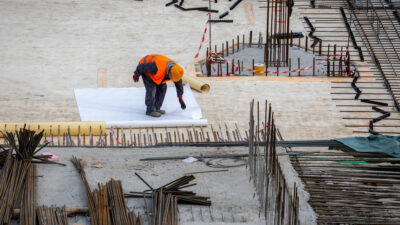

Pakistan experiences all kinds of weather, from heavy monsoon rains to extreme summer heat. These changing weather conditions can damage roofs over time, allowing water to seep into homes and commercial buildings. Water leakage not only weakens the roof but also causes damp walls, mold growth, peeling paint, and expensive repair costs.
This is where roof waterproofing becomes important. It creates a protective layer on the roof that blocks water from entering the building while also helping the roof last longer.
In this blog, we’ll explain how roof waterproofing in Pakistan works, the different methods used, and why it is a smart investment for property owners.
What Is Roof Waterproofing?
Applying unique materials or coatings to a roof to prevent water from entering the structure is known as roof waterproofing. These materials form a strong, waterproof barrier that protects the roof from rain, moisture, and standing water.
Besides preventing leaks, roof waterproofing also helps protect the building structure from long-term water damage.
Why Is Roof Waterproofing Important in Pakistan?
Pakistan’s climate makes waterproofing more important than ever. During the rainy season, roofs are exposed to continuous rainfall, while the hot summer sun causes roofing materials to expand and contract. Over time, this can create small cracks where water can enter.
Roof waterproofing helps by:
- Preventing water leakage
- Protecting concrete from damage
- Reducing dampness and mold inside the building
- Extending the life of the roof
- Lowering future maintenance costs
- Improving indoor comfort
Whether it’s a house, office, factory, warehouse, or commercial plaza, waterproofing provides long-term protection.
How Does Roof Waterproofing Work?
Roof waterproofing works by creating a protective shield over the roof surface. This barrier stops rainwater from penetrating the roof while still allowing the structure underneath to remain protected.
The waterproof layer seals:
- Small cracks
- Surface pores
- Concrete joints
- Construction gaps
- Weak points around pipes and drains
Instead of soaking into the roof, rainwater simply flows toward the drainage system.
The waterproof coating also helps reduce damage caused by sunlight, temperature changes, and weather exposure.
The Roof Waterproofing Process
Professional waterproofing follows several important steps to achieve long-lasting results.
1. Roof Inspection
The first step is inspecting the roof carefully.
Professionals check for:
- Water leakage
- Surface cracks
- Damaged concrete
- Ponding water
- Drainage issues
- Loose or broken areas
A proper inspection helps identify the best waterproofing solution for the roof.
2. Surface Cleaning
Before applying any waterproofing material, the roof must be cleaned completely.
Dust, dirt, grease, moss, algae, old coatings, and loose particles are removed because they can prevent the waterproof coating from bonding properly.
A clean surface ensures better adhesion and longer-lasting protection.
3. Crack and Joint Repair
If the roof has visible cracks or damaged joints, they must be repaired first.
Professionals use repair compounds, fillers, or sealants to close openings that could allow water inside.
Ignoring these repairs can reduce the effectiveness of the waterproofing system.
4. Primer Application
Some waterproofing systems require a primer before applying the main coating.
The primer helps improve adhesion between the roof surface and the waterproofing material.
It also prepares the surface for even application.
5. Applying the Waterproof Coating
Once the surface is ready, the waterproofing material is applied.
Depending on the selected system, professionals may use:
- Rollers
- Brushes
- Spray equipment
- Trowels
Several coats are often applied to create a durable waterproof membrane.
Before applying the next coat, each one is given time to dry.
6. Final Inspection
After the coating has healed, the roof is inspected again.
Some contractors perform a water ponding test to confirm there are no leaks before completing the project.
This final inspection ensures the waterproofing system is working properly.
Common Roof Waterproofing Materials Used in Pakistan
Different buildings require different waterproofing solutions. Some of the most common materials include:
-
Acrylic Waterproof Coatings
Acrylic coatings are popular because they are easy to apply and provide good protection against rain and sunlight.
They are commonly used for residential buildings and small commercial properties.
-
Polyurethane Waterproofing
Polyurethane coatings create a seamless and flexible waterproof layer.
They are highly resistant to water and are suitable for roofs exposed to heavy rainfall.
-
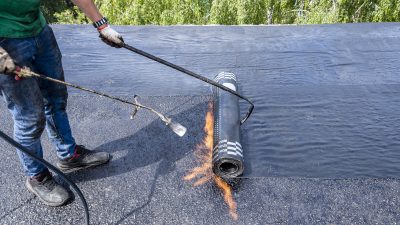
Bituminous Membranes
Bituminous waterproofing uses modified asphalt sheets or liquid bitumen.
These systems are known for their durability and are widely used on flat concrete roofs.
-
Cementitious Waterproofing
This method uses cement-based waterproof compounds.
It is often applied to water tanks, bathrooms, balconies, and concrete roofs.
-
Liquid Waterproof Membranes
Liquid membranes are applied as a liquid but dry into a continuous waterproof layer.
They work well on roofs with complex shapes because they can cover every corner without joints.
Which Roofs Need Waterproofing?
Almost every type of roof can benefit from waterproofing.
These include:
- Residential homes
- Apartment buildings
- Commercial plazas
- Factories
- Warehouses
- Educational institutions
- Hospitals
- Shopping malls
- Industrial facilities
Flat concrete roofs, which are common throughout Pakistan, especially benefit from professional waterproofing.
Signs Your Roof Needs Waterproofing
Many people only notice roof problems after water starts dripping inside. However, there are several warning signs to watch for.
These include:
- Water stains on ceilings
- Damp walls
- Peeling paint
- Mold or mildew growth
- Cracks in the roof
- Standing water after rain
- White salt deposits on walls
- Frequent roof leaks
If you notice these problems, it’s a good idea to arrange a roof inspection before the damage becomes more serious.
Benefits of Professional Roof Waterproofing
Hiring experienced waterproofing specialists offers several advantages over temporary repairs.
Professional waterproofing provides:
-
Long-Term Protection
High-quality waterproofing systems can protect a roof for many years with proper maintenance.
-
Lower Maintenance Costs
Preventing water damage is usually much less expensive than repairing structural damage later.
-
Better Building Durability
Waterproof roofs experience less concrete damage, corrosion, and cracking over time.
-
Improved Property Value
A well-maintained, leak-free building is more attractive to buyers and tenants.
-
Healthier Indoor Environment
Preventing moisture helps reduce mold growth, improving indoor air quality and creating a healthier living or working space.
Tips for Maintaining a Waterproof Roof
Even after waterproofing, regular maintenance helps keep the roof in excellent condition.
Property owners should:
- Clean roof drains regularly.
- Remove leaves and debris.
- Inspect the roof after heavy rain.
- Repair small cracks early.
- Avoid placing heavy objects directly on the waterproof coating.
- Schedule professional roof inspections every few years.
Simple maintenance can greatly extend the life of the waterproofing system.
Choosing the Right Waterproofing Contractor in Pakistan
Not all waterproofing services deliver the same quality.
Before hiring a contractor, consider the following:
- Experience with similar projects
- Quality of waterproofing materials
- Skilled installation team
- Warranty on workmanship
- Positive customer reviews
- Proper roof inspection before starting work
A reliable contractor will recommend the most suitable waterproofing system based on your roof’s condition rather than offering the same solution for every project.
Conclusion
Roof waterproofing is one of the most effective ways to protect buildings from water damage in Pakistan’s challenging climate. By creating a strong waterproof barrier, it prevents leaks, protects concrete structures, reduces maintenance costs, and extends the life of the roof.
Whether you own a home, office, warehouse, or industrial building, investing in professional roof waterproofing can save you significant repair costs in the future. With proper installation and regular maintenance, a waterproof roof provides long-lasting protection, greater durability, and peace of mind during every rainy season.