One issue that should never be disregarded is a leaky roof. Even a small leak can lead to water damage, mold growth, damaged ceilings, and expensive repairs if left untreated. The good news is that many roof leaks can be fixed when the right repair method is used.
In this blog, we’ll explain the best methods for roof leakage repairing and help you understand when it’s time to call a professional.
Find the Source of the Leak
The first and most important step is finding where the water is coming from. Sometimes, the leak is directly above the water stain, but in many cases, water travels before it becomes visible inside your home.
Common places where leaks start include:
- Cracked or missing roof tiles
- Damaged shingles
- Broken roof flashing
- Clogged gutters
- Cracks around chimneys, skylights, or roof vents
A proper inspection helps make sure the real problem is repaired instead of just treating the symptoms.
Replace Damaged Roofing Materials
If roof shingles or tiles are broken, cracked, or missing, replacing them is often the best solution. New roofing materials restore the roof’s strength and stop water from entering your home.
Replacing damaged sections early can also prevent larger repairs later.
Repair or Replace Roof Flashing
Roof flashing is the metal material placed around chimneys, vents, skylights, and roof edges. Over time, flashing can crack, rust, or become loose.
Repairing or replacing damaged flashing helps seal these areas and prevents water from leaking inside.
Seal Small Cracks and Gaps
For minor leaks, roofing sealants or waterproof roof coatings can close small cracks and gaps. These products provide extra protection against rain and moisture.
However, sealants work best for small problems. Larger roof damage usually requires proper repairs instead of simply applying more sealant.
Clean the Gutters
Blocked gutters can cause rainwater to collect on your roof instead of flowing away. This standing water can eventually find its way inside your home.
Cleaning your gutters regularly helps water drain properly and reduces the risk of roof leaks.
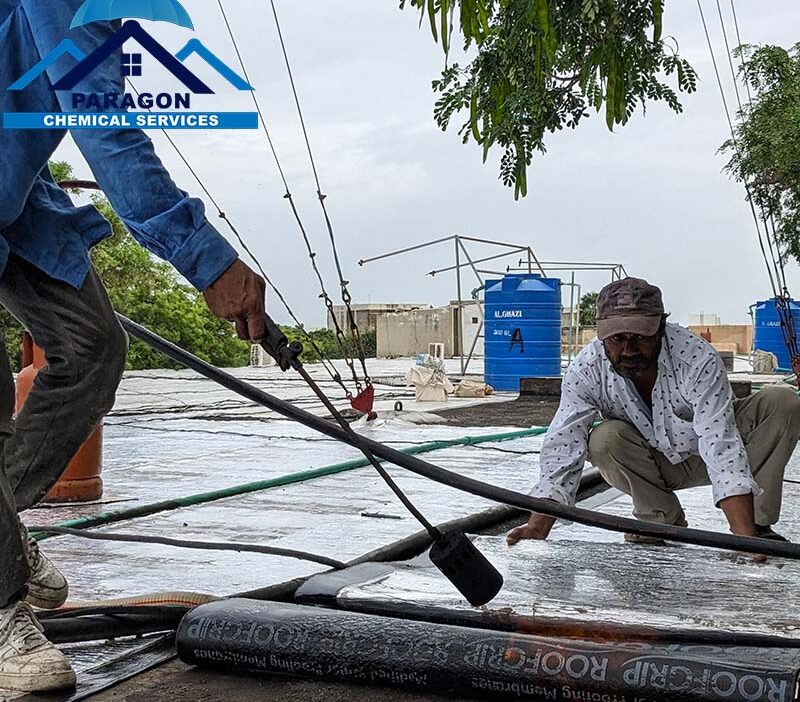
Repair Roof Membranes for Flat Roofs
Flat roofs often use waterproof membranes for protection. If the membrane becomes damaged, professionals can repair or replace the affected section to stop leaks and extend the roof’s lifespan.
Schedule Professional Roof Inspections
Sometimes, roof damage isn’t easy to see. Professional roof inspections can identify hidden problems before they become serious.
Regular inspections are especially important after heavy rain, strong winds, or storms.
Prevent Future Roof Leaks
The best way to avoid expensive roof repairs is through regular maintenance. Here are a few simple tips:
- Inspect your roof every few months.
- Remove leaves and debris from gutters.
- Replace damaged shingles or tiles quickly.
- Trim tree branches hanging over the roof.
- Schedule professional roof inspections every year.
Can roof sealant stop all roof leaks?
No. Roof sealant can fix small cracks, tiny holes, and minor leaks, but it cannot repair serious roof damage. If your roof has broken shingles, damaged flashing, large cracks, or structural problems, the damaged parts need to be repaired or replaced. Using sealant alone on a major leak is usually a temporary fix and may not stop the leak for long. For the best results, have the roof inspected to find the exact cause of the leak before choosing a repair method.
Conclusion
The best method for roof leakage repairing depends on what’s causing the leak. Small cracks may only need sealing, while damaged shingles, flashing, or roof membranes often require repairs or replacement. Acting quickly can prevent costly water damage and help your roof last longer.
If you’re unsure about the source of the leak or the damage is severe, it’s always best to contact a professional roofing contractor for a proper inspection and repair.