During hot summer days, the roof of a building absorbs a lot of sunlight and heat. This heat slowly moves inside the house, making rooms warmer and increasing the need for air conditioning. Roof heat proofing is a method used to reduce this heat transfer and keep indoor spaces cooler and more comfortable.
What Is Roof Heat Proofing?
Roof heat proofing is a protective treatment applied to rooftops to reduce the amount of heat entering a building. It uses special materials and coatings that reflect sunlight and prevent the roof from becoming extremely hot.
It is commonly used in homes, offices, factories, and commercial buildings, especially in areas with high temperatures. A properly heat-proofed roof can help maintain a cooler indoor environment and improve energy efficiency.
How Does Roof Heat Proofing Work?
Roof heat proofing works by creating a barrier between the outside heat and the inside of the building. Different materials are used depending on the roof type and requirements.
Some common methods include:
1. Reflective Roof Coatings
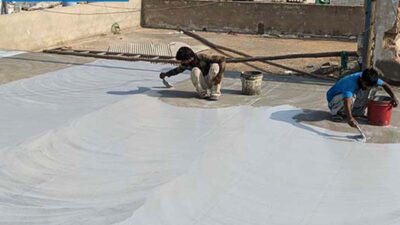
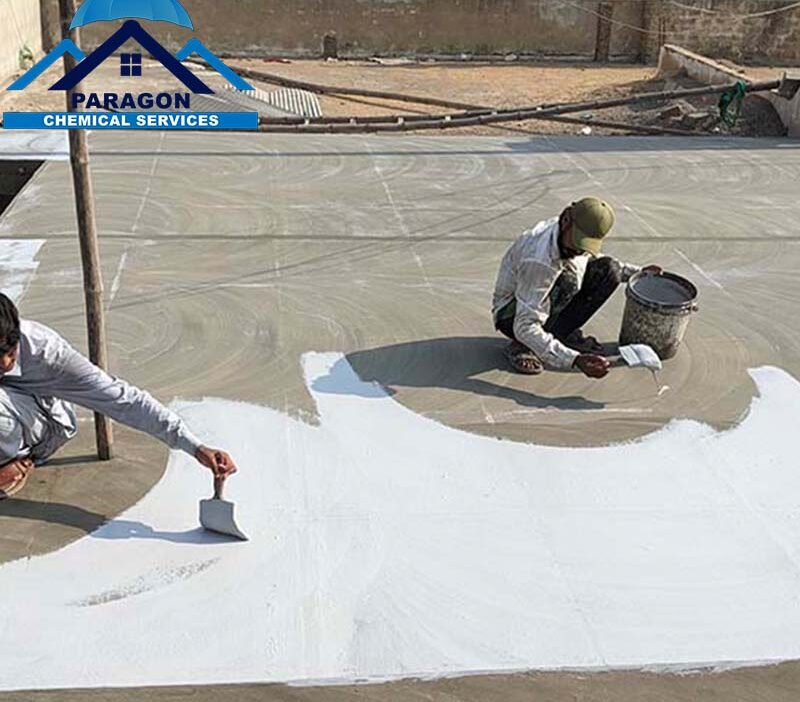
Special white or reflective coatings are applied to the roof surface. These coatings reflect sunlight instead of absorbing it, which helps keep the roof temperature lower.
2. Insulation Materials
Heat insulation materials are installed under or on top of the roof to slow down heat movement. They help prevent outdoor heat from reaching the rooms below.
3. Waterproof Heat Proofing Layers
Many heat-proofing solutions also provide waterproof protection. These layers help prevent water leaks while reducing heat absorption.
4. Tiles and Heat-Resistant Materials
Some roofs use special tiles or heat-resistant materials that naturally reduce heat buildup and improve indoor comfort.
Benefits of Roof Heat Proofing
Roof heat proofing provides several advantages, including:
- Cooler indoor temperature: It helps reduce heat entering your home or building.
- Lower electricity bills: Less use of air conditioners can reduce energy costs.
- Better roof protection: It protects the roof from damage caused by extreme heat and weather.
- Improved comfort: Rooms stay more comfortable during hot seasons.
- Longer roof life: Heat-proofing materials can help prevent cracks and surface damage.
Is Roof Heat Proofing Worth It?
Yes, roof heat proofing can be a valuable investment, especially in hot climates. While the initial installation cost may vary, the long-term benefits include better comfort, energy savings, and protection for your property.
Choosing the right heat-proofing method depends on your roof type, budget, and climate conditions. A professional inspection can help determine the best solution for your building.
How long does roof heat proofing last?
The lifespan of roof heat proofing depends on the type of material used, weather conditions, and maintenance. Generally, a good-quality roof heat-proofing treatment can last around 5 to 10 years or more if it is properly installed and maintained. Regular inspections and minor repairs can help extend its effectiveness.
Can roof heat proofing help lower electricity bills?
Yes, roof heat proofing can help reduce electricity bills by keeping the building cooler. When less heat enters through the roof, air conditioners and cooling systems do not need to work as hard. This can reduce energy consumption and help save money on cooling costs, especially during hot summer months.
Should I hire professionals for roof heat proofing?
Yes, hiring professionals for roof heat proofing is recommended because they have the right tools, experience, and knowledge to apply the materials correctly. Proper installation helps improve the effectiveness of the heat-proofing system, prevents future problems, and ensures the treatment lasts longer. A professional can also suggest the best heat-proofing solution based on your roof type and building needs.
Conclusion
Roof heat proofing is an effective way to reduce indoor heat and make buildings more energy-efficient. By reflecting sunlight and creating insulation, it helps keep your space cooler while protecting your roof from harsh weather conditions. For homeowners and businesses dealing with extreme heat, it can be a practical and long-lasting solution.